The Challenge
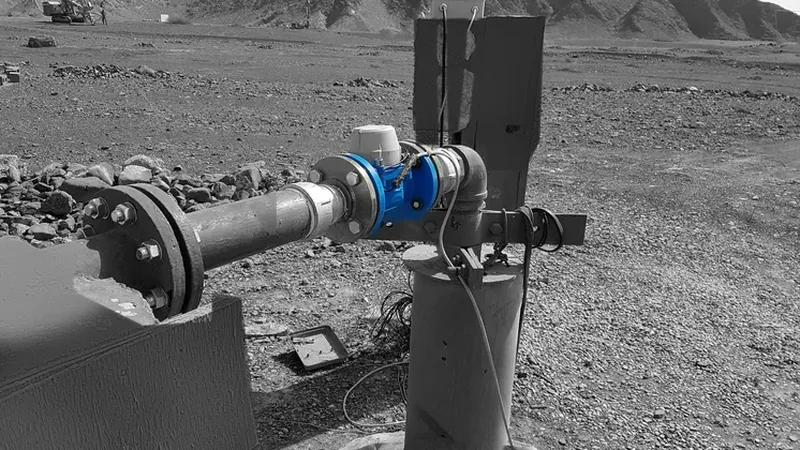
A large water utility went to tender for automated meter reading as a managed service. The supplier would own, install and operate the meters, the communications network and the head-end system, and deliver readings for a monthly charge per meter.
The first phase covered 4,100 high-volume users, with more than 200,000 homes and businesses to follow over four years. Readings had to arrive over GPRS or cloud IoT networks rather than drive-by or walk-by reading, with at least 99% of meters read every month and penalties for any meter offline for more than a few days.
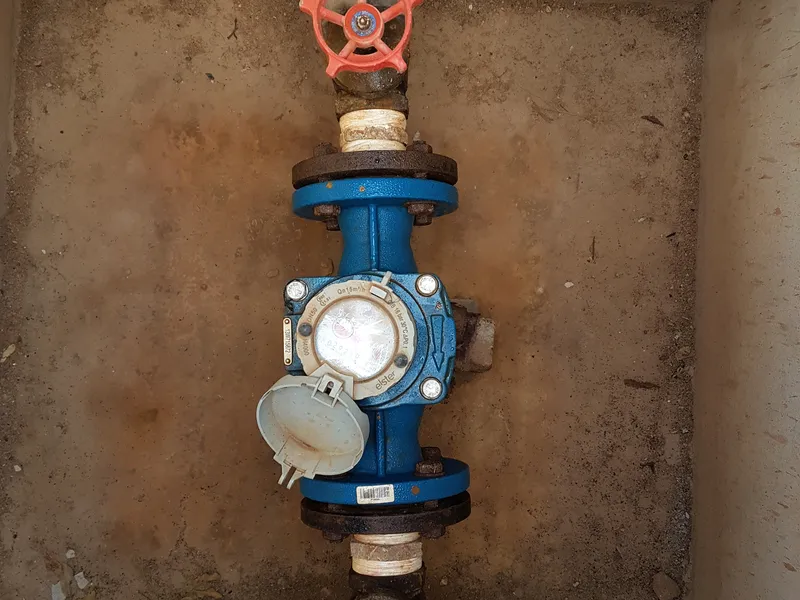
Replacing every meter would have made the monthly charge uncompetitive. We needed to show that existing meters could be retrofitted reliably and cheaply enough to meet those service levels.
Our Role
SciFlair was the design authority. We analysed the tender requirements and service levels, set them out as system requirements, then designed the reader hardware, firmware and head-end software, built the prototypes and tested them on meters in our lab and on site.
What We Built
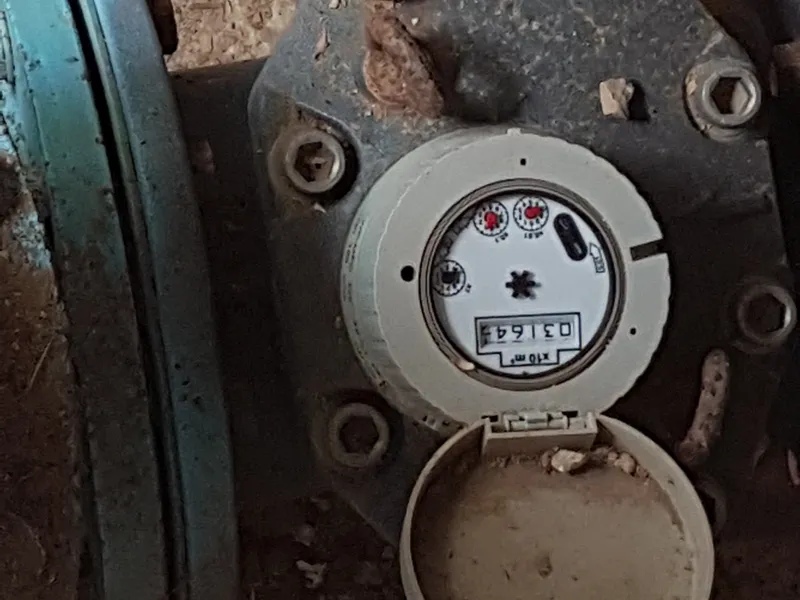
- A retrofit reader that fits existing pulse-output water meters, so the meter itself stays in place
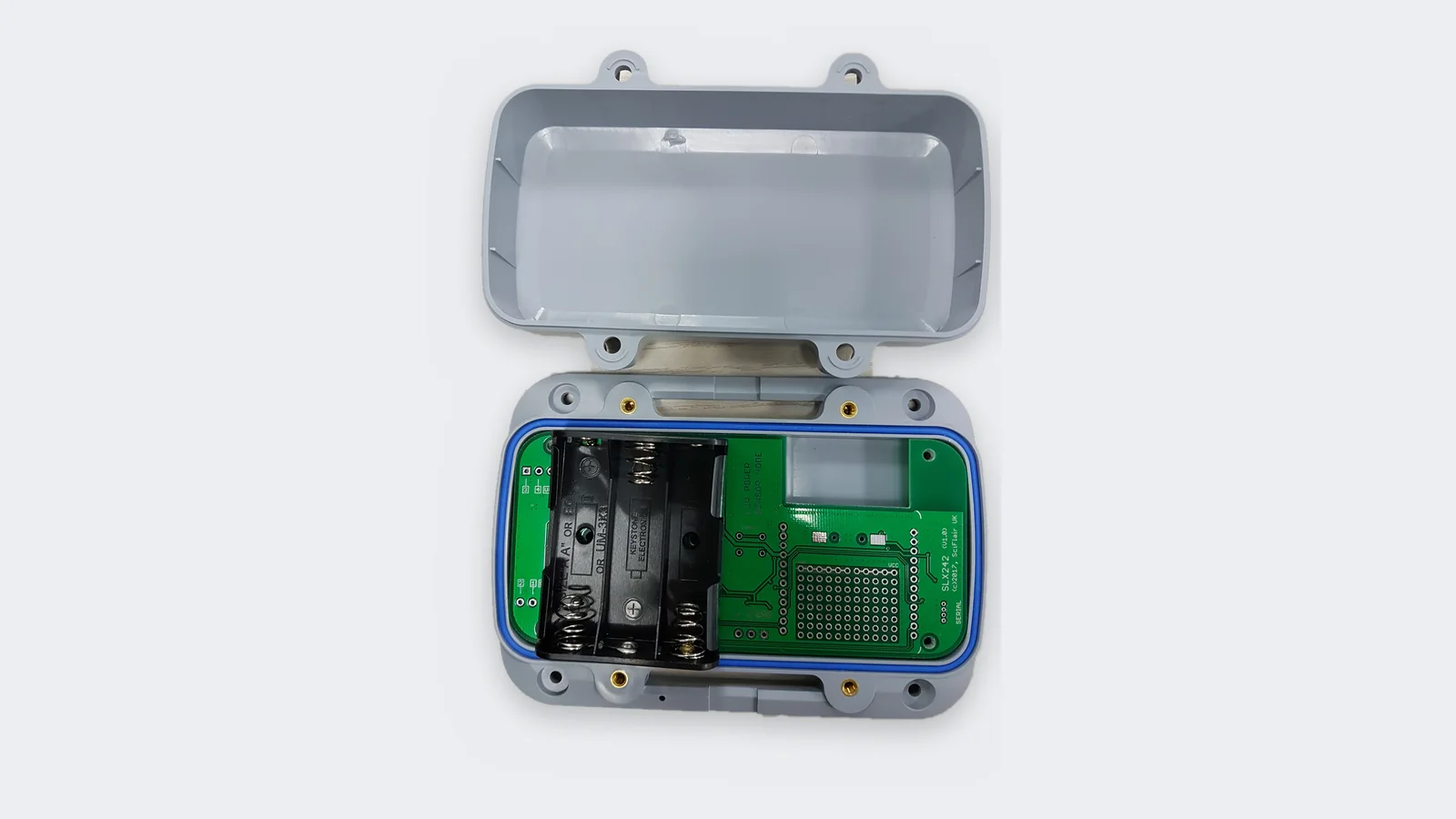
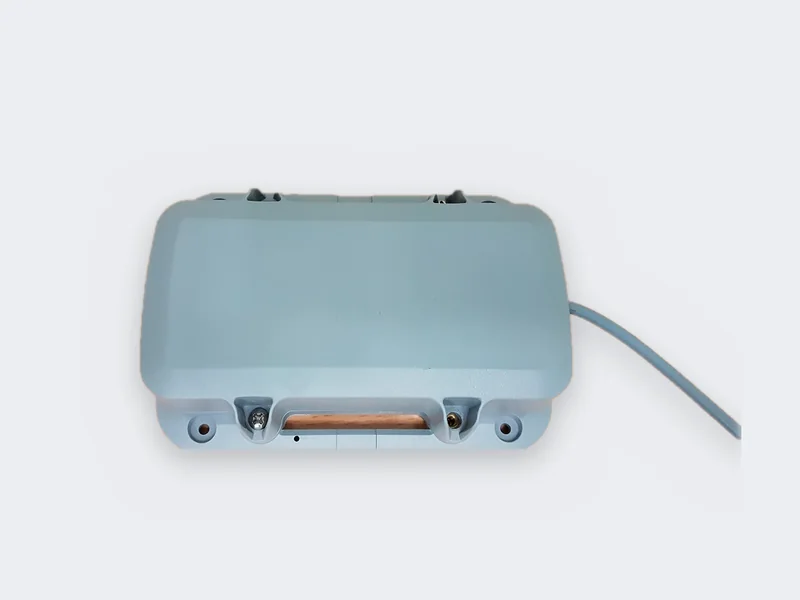
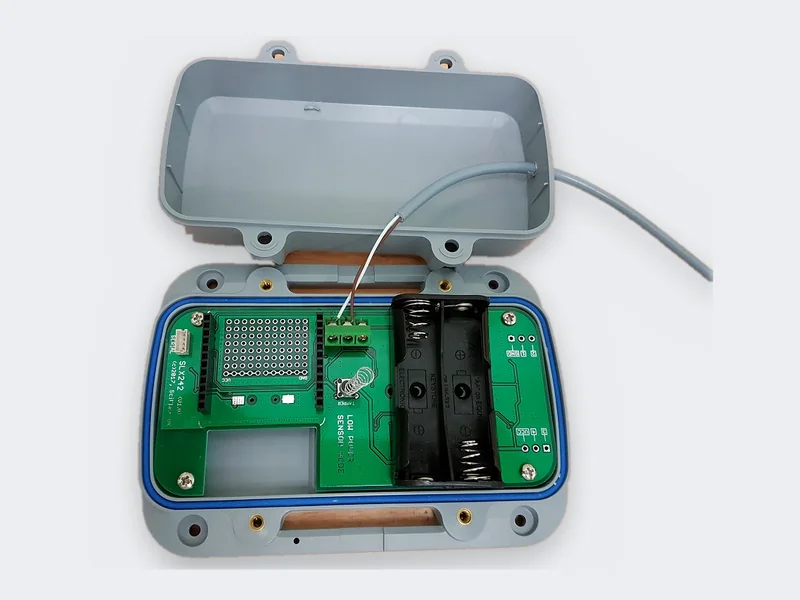
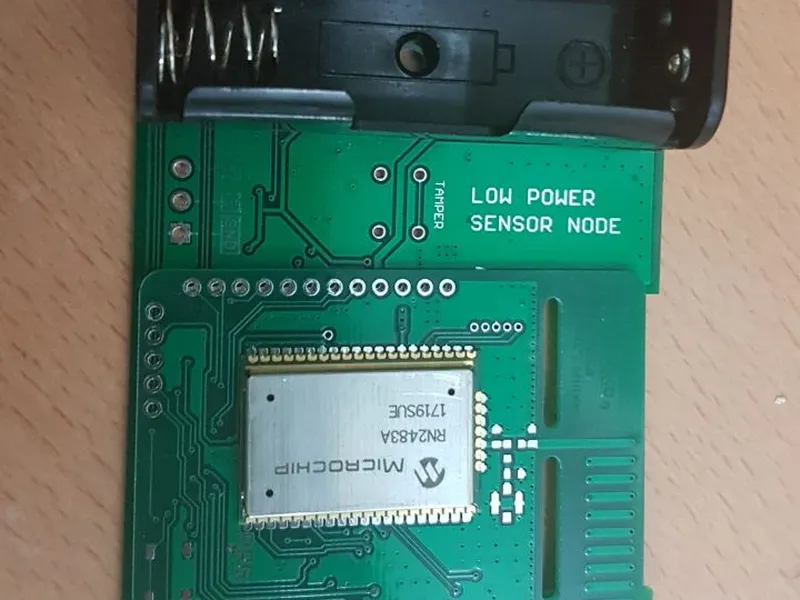
- A low-power sensor node board in an IP67 enclosure, running for years on batteries
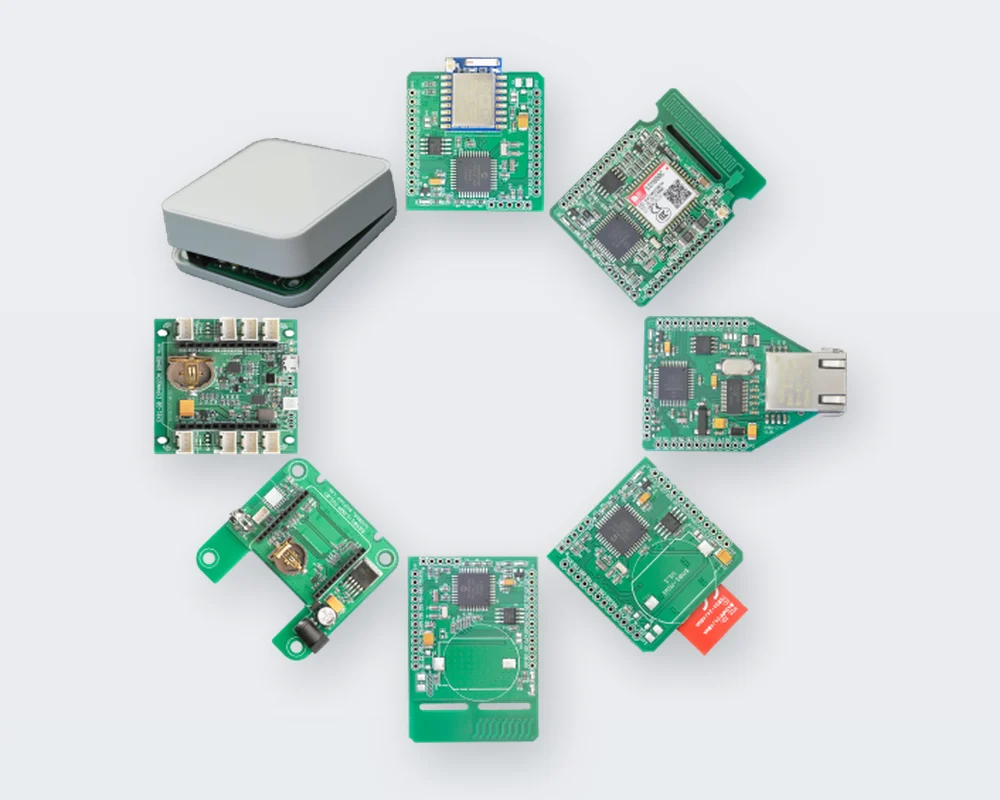
- Our Axino communication module, so one reader design connects over GSM/GPRS, LoRa, SigFox, mesh, WiFi or Ethernet to suit each site
- Readings stored on the device when the network is down and sent once it returns, protecting the monthly read rate
- Alerts for leaks, continuous flow, tampering and devices that stop reporting
- A head-end web application showing every meter on a live map, with consumption history, alarms and web-service interfaces to billing
- Pump and valve control from the same platform, reusing our well pump control design
How It Was Developed
Concept
Turned the tender's scope and service levels into system requirements and measures of performance: monthly read rate, maximum outage, battery life, range and cost per meter.
Architecture
Chose a retrofit architecture on the Axino platform, so one reader design could serve different meter types and networks, with the head-end hosted in the cloud.
Design and build
Designed the sensor node board, firmware and enclosure, then built a batch of prototype readers.
Verification
Tested the readers on a range of meter types in our lab and on installed meters on site, verifying reading accuracy, battery drain and radio range in meter chambers.
Next iteration
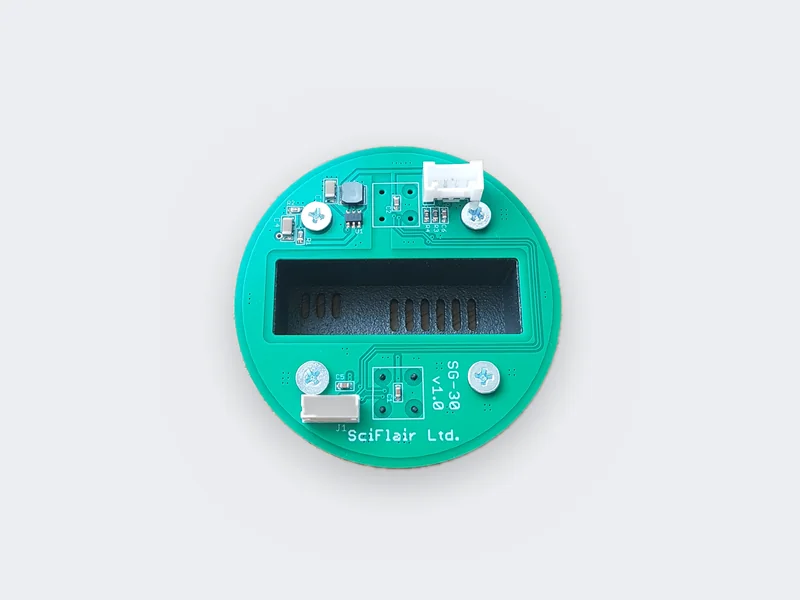
Fed the results into a smaller, round meter-reader board that fits under the meter cover.
Gallery
Ready for a Pilot
The design is ready for a field pilot of a few hundred meters, with production enclosures and integration into a utility's billing system.