We design embedded systems end to end: the electronics, the firmware and the software around them. Bring us an idea, a half-finished design or a problem in the field, and we take it to a working prototype or a finished product.
Electronic and PCB Design
Schematics, component choice and PCB layout for low-power, connected boards, from a single sensor node to a multi-network gateway.
From prototype to production: turning a prototype into something you can make and sell: enclosure, design for manufacture, testing and small-batch builds.
Technical project leadership and programme management: requirements, architecture, suppliers and delivery, run with PRINCE2 and systems engineering practice. Interim or fractional CTO roles too.
Five clear steps from first conversation to products in the field. Each one ends with something you can use, so you can stop, pause or carry on with full knowledge of cost and risk.
1
Initial Call
A short call to understand what you need and whether we are the right fit, at no cost.
You getA clear next step
2
Feasibility Study
Requirements, technical options, risks and a costed plan, at a fixed price agreed up front.
You getReport and costed plan
3
Prototype
Working hardware, firmware and software, tested against the requirements you signed off.
You getWorking prototype and test results
4
Product Development
Staged design to a production-ready product, with a review at the end of each stage before you commit to the next.
You getProduction-ready design files
5
Production and Support
Small-batch builds, help moving to volume manufacture, then field support and upgrades.
You getUnits in the field, supported
Start at any stage: an idea, a half-finished design or a product that needs fixing
Fixed price for each stage once the scope is clear
A decision gate at the end of every stage, so you stay in control of cost
Regular progress reviews with the engineer leading your project
Design files for your product handed over to you, while we keep the rights to our reusable platforms such as Axino
How We Deliver
The Whole System Life Cycle, Under One Roof
We follow INCOSE systems engineering practice (ISO/IEC/IEEE 15288) and run projects in PRINCE2 management stages, so every stage ends at a decision gate where you review progress, risk and the business case before committing to the next.
01
Concept
Business and mission analysis, stakeholder needs and requirements, feasibility.
02
Development
System requirements, architecture and design definition, prototypes and verification.
03
Production
Manufacture, integration and factory acceptance testing.
04
Utilisation
Transition to site, site acceptance and validation in operational use.
05
Support
Maintenance, upgrades and field support for the life of the system.
06
Retirement
Planned disposal and handover to a successor system.
Our Products
Platforms We Own, Built Once and Reused
Hardware and software we designed, own and deploy across our projects, ready to scale with investors and partners.
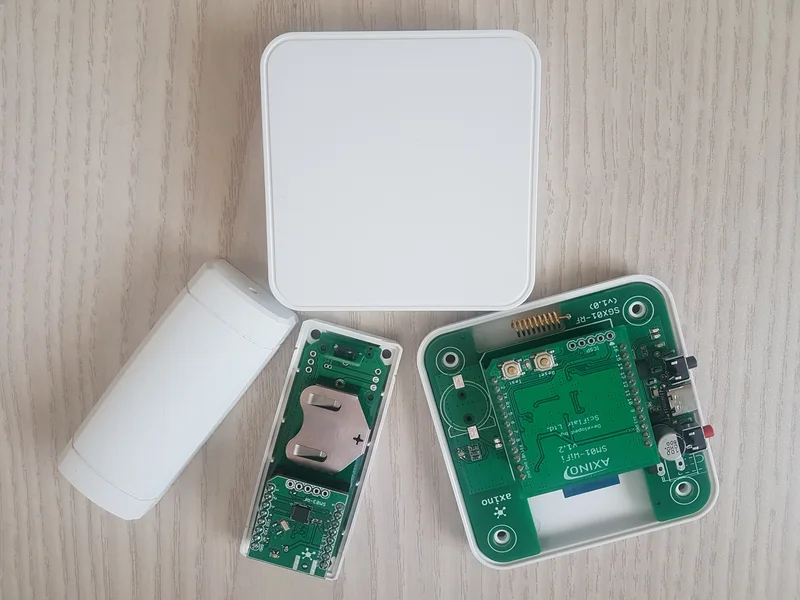
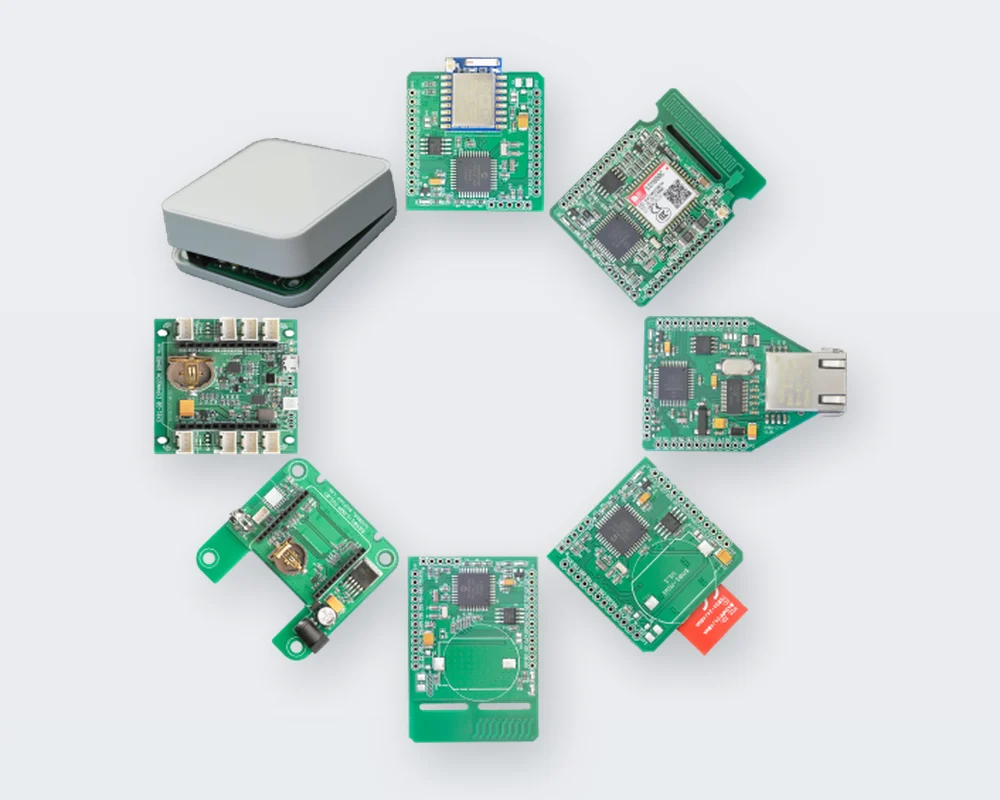
Embedded hardware platform of plug-in WiFi, GSM, Ethernet, LoRa, mesh and SigFox modules that share one processor and one code base, with cloud management: the backbone of our projects, products and prototypes
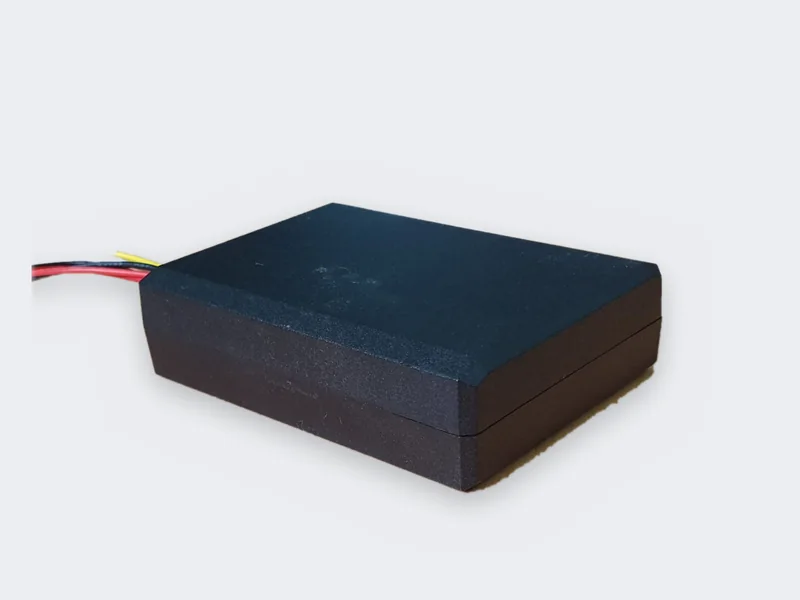
In-vehicle monitoring (IVMS) on our own S100 tracker, with our own embedded hardware and firmware, multi-GNSS positioning, dual SIM, jamming detection, driver scoring and live maps
Our own product development, from prototype to product: battery-powered sensor nodes that combine sensor, processor and radio in one small unit, ready to install out of the box with no programming
Fahim founded SciFlair in 2014 and has led engineering programmes for more than 25 years, including several security and automation programmes covering audio, video and data systems. His focus is innovation: taking cutting-edge technologies such as edge AI, IoT and wireless communications and turning them into systems that work reliably in the field. He holds a PhD in adaptive modem design from the University of Bristol.
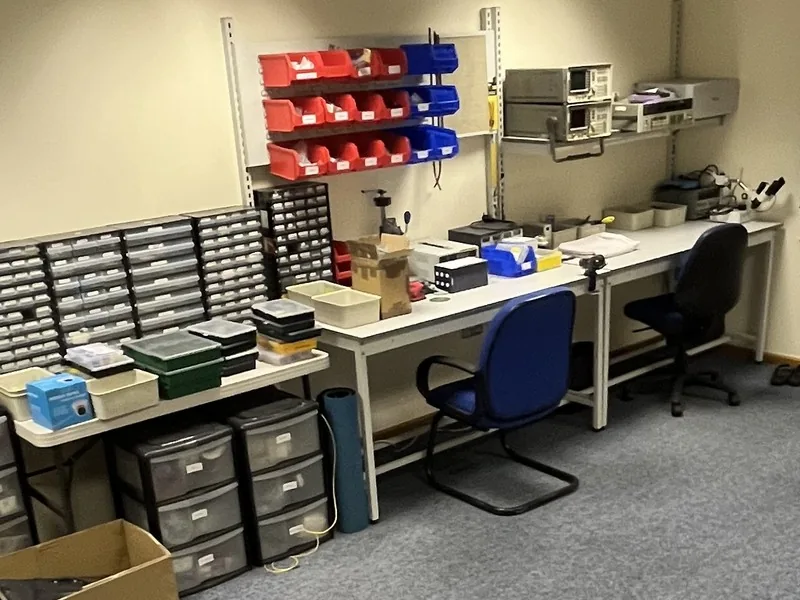
For each project, Fahim brings in experienced engineers he has worked with for years, with the right skills for the job. Work is run from SciFlair's own office and research lab in Bristol, with systems delivered in the UK, Europe, the Middle East and South Asia. Electronics, firmware, cloud and apps are designed together, so every system works as one.

 75% faster