The Challenge
Insects are a promising, sustainable source of protein for animal feed, but insect farms still depend on staff inspecting crates by eye. Checking numbers, health and deformities across thousands of densely packed insects is slow, inconsistent and hard to scale.
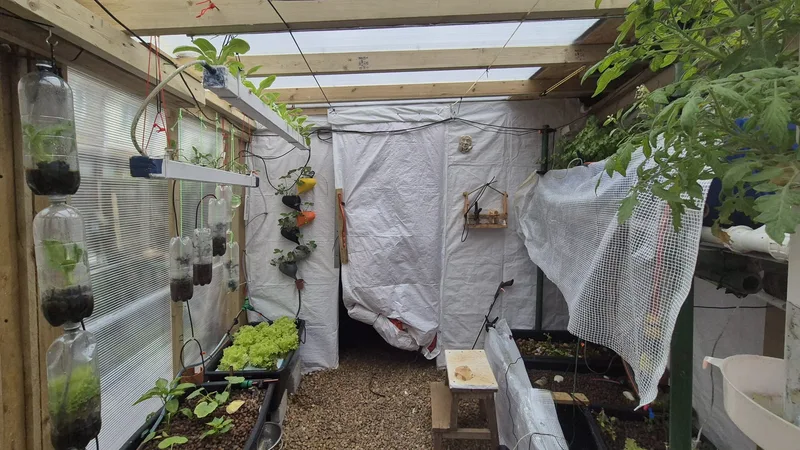
Bristol Robotics Lab was running a project to help small-scale insect farmers in Africa. It needed low-cost units that could monitor many habitats at once, capture images at regular intervals and send the data to the cloud for analysis.
Our Role
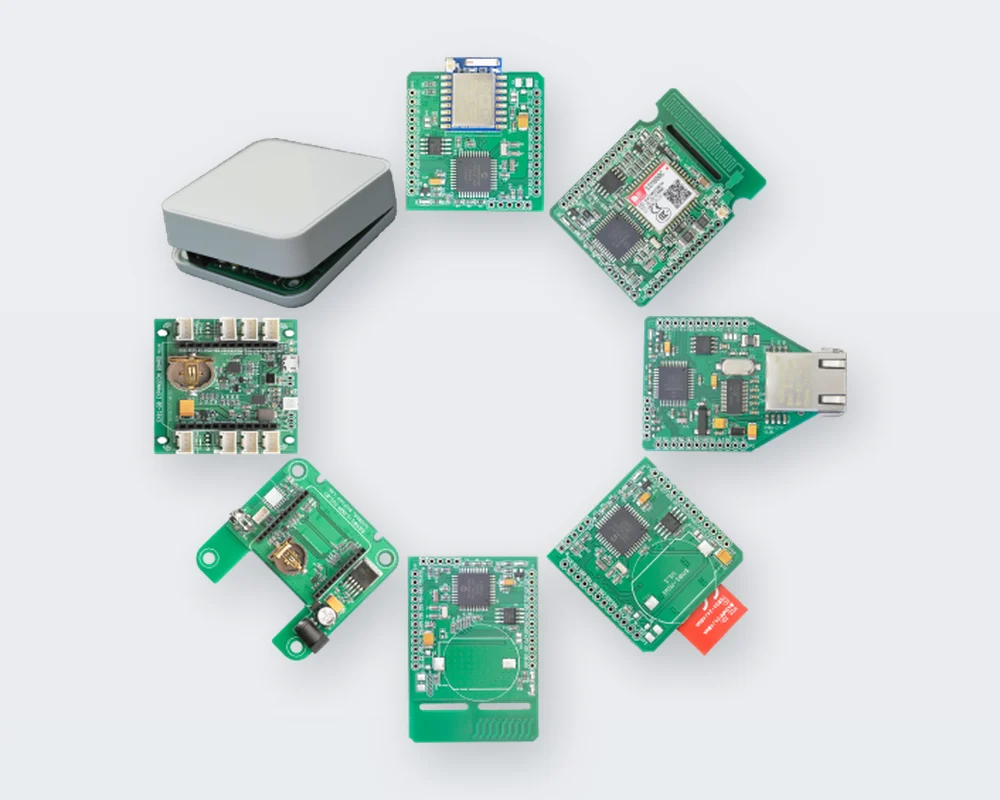
SciFlair designed and built the Insecto units: hardware, enclosure, firmware and cloud connection. SciFlair and the University of the West of England then co-funded a PhD at the Centre for Machine Vision, Bristol Robotics Lab, which built on the Insecto platform to automate insect monitoring.
What We Built
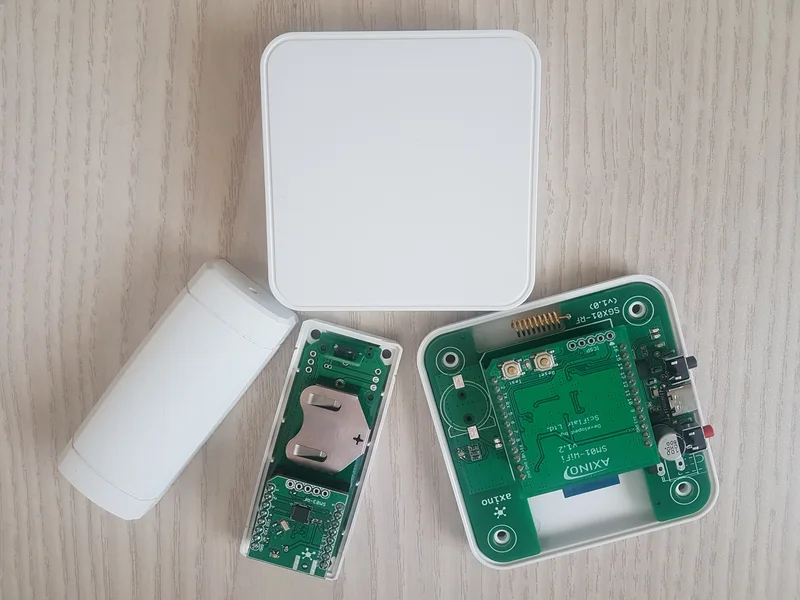
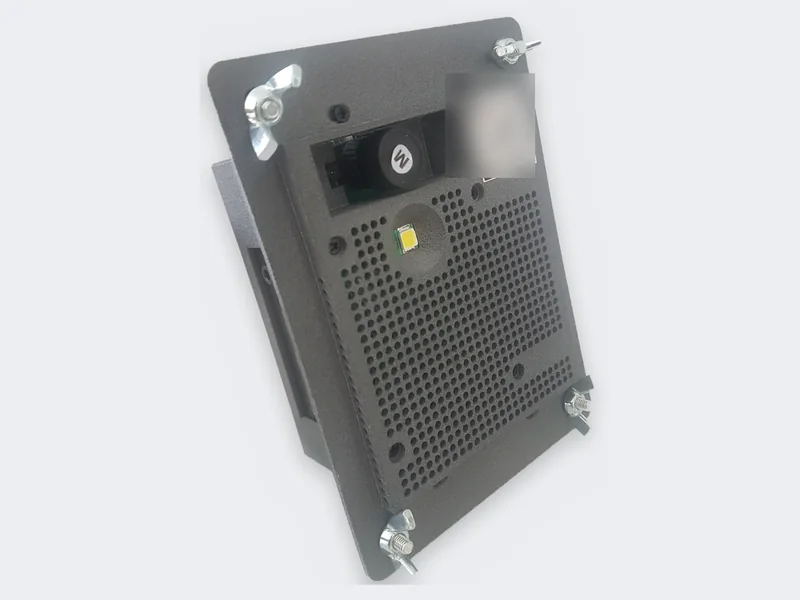
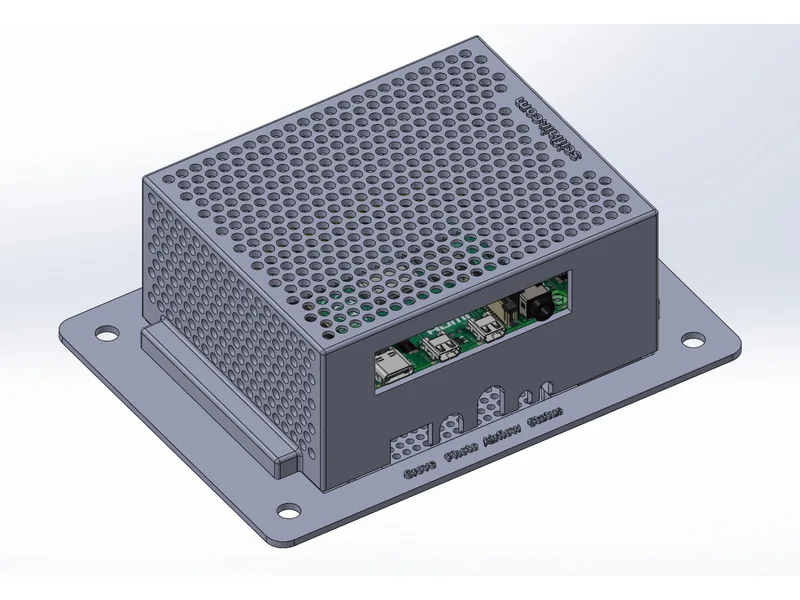
- Insecto units: a high-resolution camera and environmental sensors in a compact, wall-mounted enclosure, one per habitat, sending images and data to a cloud server
- Synthetic and real-farm image datasets of mealworm beetles, released publicly for other researchers
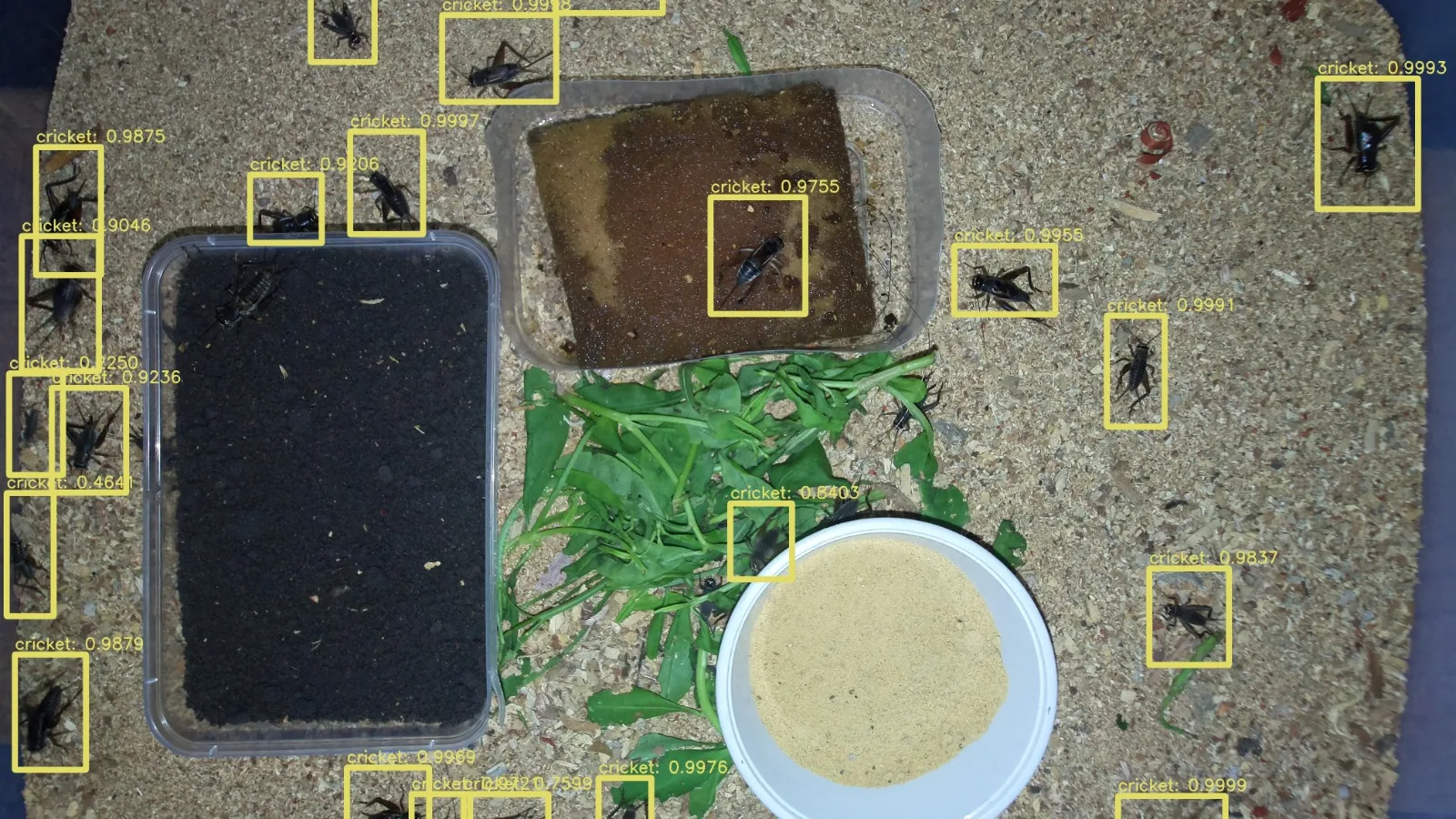
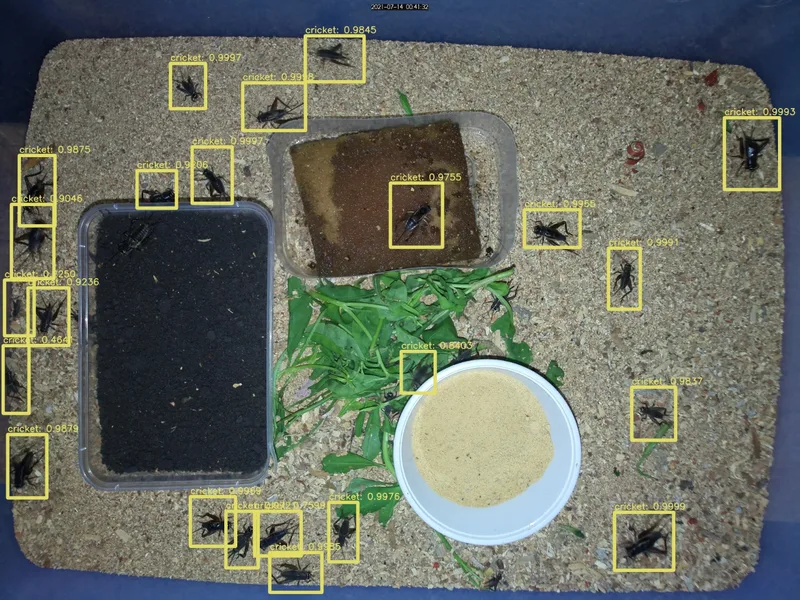
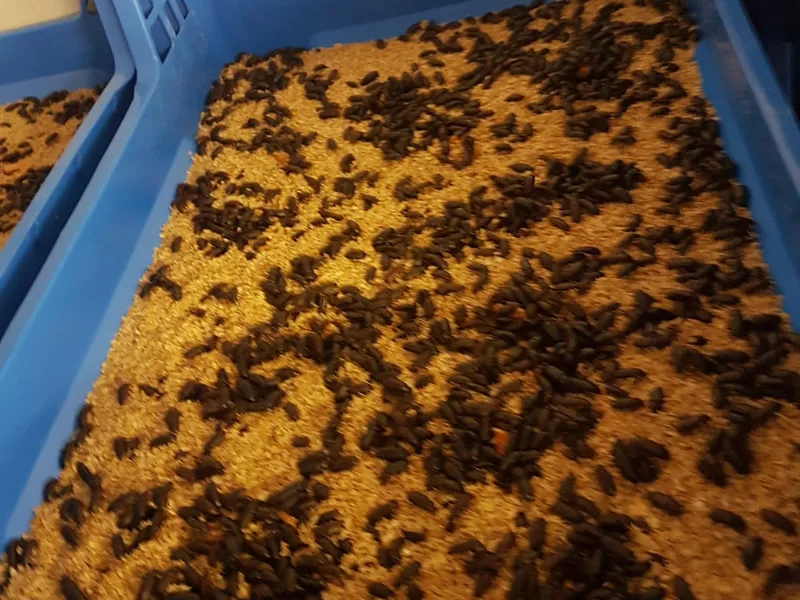
- Beetle detection with YOLOv8 and a sliding-window method that finds small, densely packed beetles in cluttered rearing crates
- A memory-efficient segmentation workflow using the Segment Anything Model, applied beetle by beetle, benchmarked against Mask R-CNN, SOLOv2 and YOLO segmentation models
- Anomaly detection with an autoencoder trained only on healthy beetles, which flags deformed or abnormal insects without needing a large library of rare defects
- The full detection, segmentation and anomaly pipeline running on a Raspberry Pi 5, low-cost hardware suited to farm use
How It Was Developed
Concept
Defined the stakeholder needs with Bristol Robotics Lab: low cost, modular, remote monitoring of many habitats, suitable for small farms.
Design and build
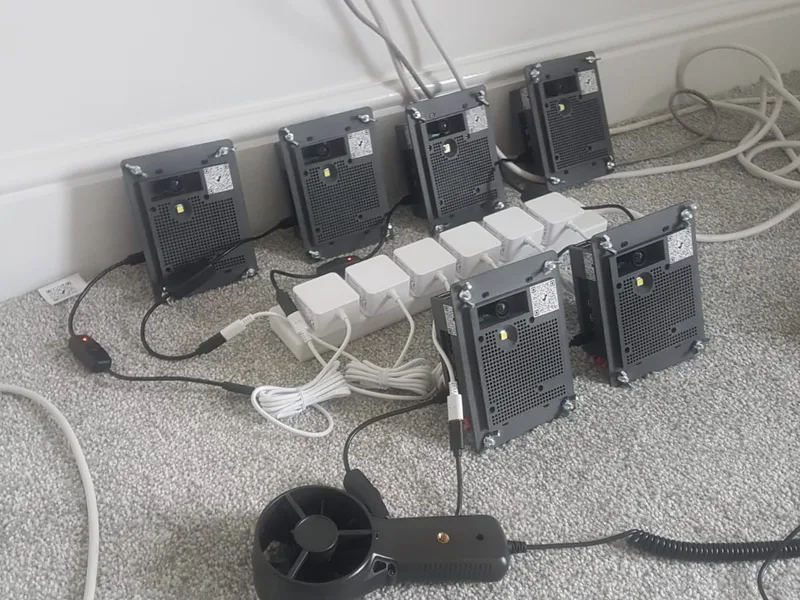
Designed the Insecto unit and its enclosure in CAD, then built and tested a batch of units in our lab in 2021.
Deployment
Units were shipped to the project in Africa. Further units ran for several months on a commercial insect farm in the UK, collecting the images and environmental data later used for AI analysis.
Research
The joint PhD used the images collected by the Insecto units on the UK farm, together with synthetic datasets, to develop and compare detection, segmentation and anomaly-detection models for mealworm beetles.
Edge deployment
Validated the complete machine-vision pipeline on a Raspberry Pi 5, showing it can run on the farm rather than in a data centre. The PhD completed in 2026.
Gallery
Next: Farm-Scale Trials
The next step is to extend the models to larvae and pupae and run field trials in operational insect farms, leading to modular, decentralised insect farming for small farmers. We are looking for partners and funders.