The Challenge
Clean air reduces the risk of stroke, heart and lung disease and asthma. Traffic, industry, construction, household activity and wildfires all degrade it, and nitrogen dioxide in built-up areas is one of the biggest health risks people need to know about to reduce their exposure.
Reference air-quality stations are expensive and fixed in place. Councils, site operators and researchers need monitors they can place where people actually are: on streets, on sites, indoors and on the move.
Our Role
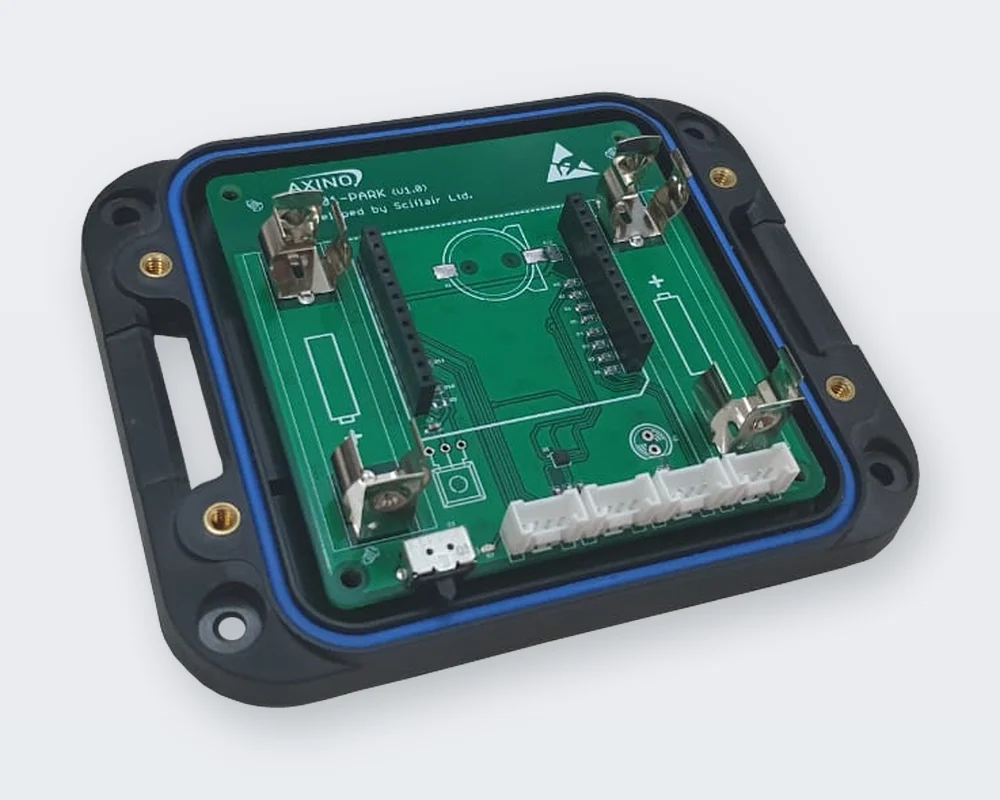
SciFlair designed the monitor end to end: sensor selection, electronics, enclosure, power system, firmware and the cloud connection through Axino.
What We Built
- Sensors for nitrogen oxides (NOx) and ozone (O3), each 20–500 ppb, with a five-year sensor life
- A laser particle sensor, MCERTS approved, measuring PM0.5, PM1, PM2.5, PM4 and PM10, rated for more than eight years of continuous use
- Temperature and humidity sensing
- A built-in rechargeable battery, powered from mains, a solar panel or a vehicle battery
- Optional GPS so the monitor can take mobile measurements along travel routes
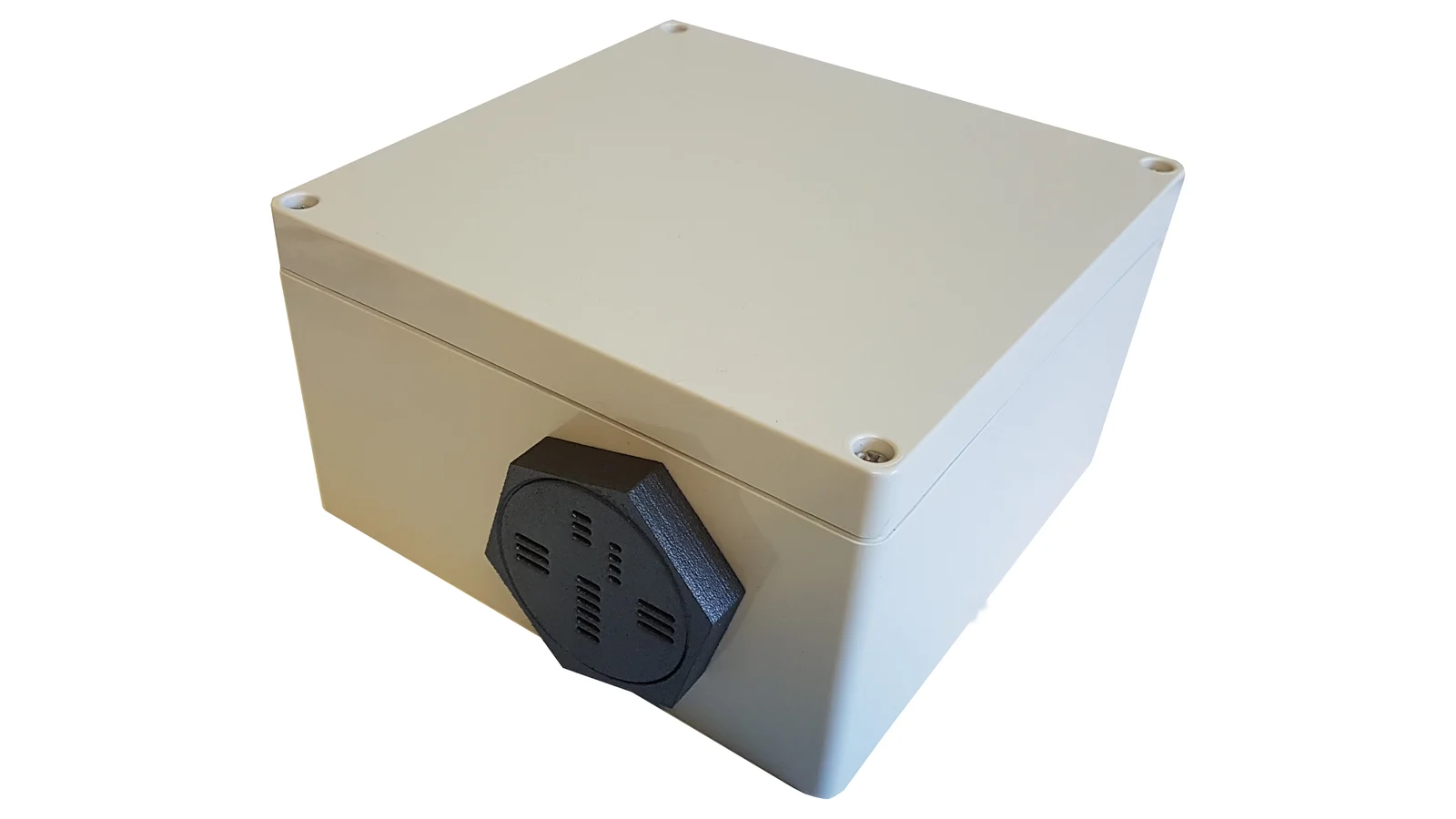
- A sealed enclosure for indoor and outdoor installation
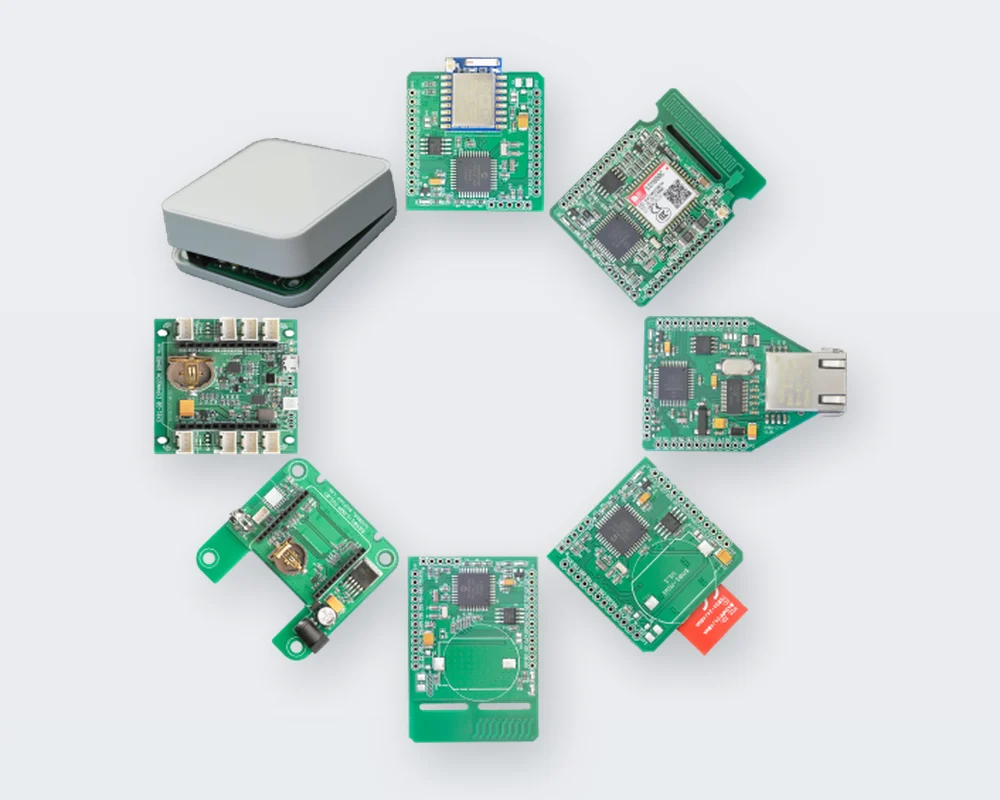
- Connectivity through Axino over GSM, WiFi, Ethernet, LoRa, SigFox or mesh, with data sent directly to Azure, Google Cloud, AWS, IBM Watson or any application by webhook
- Readings reported against the standard Air Quality Index bands, from Good to Hazardous
How It Was Developed
Concept
Defined the measures of performance: the pollutants that matter most for health, sensor ranges and life, power options and installation settings.
Design
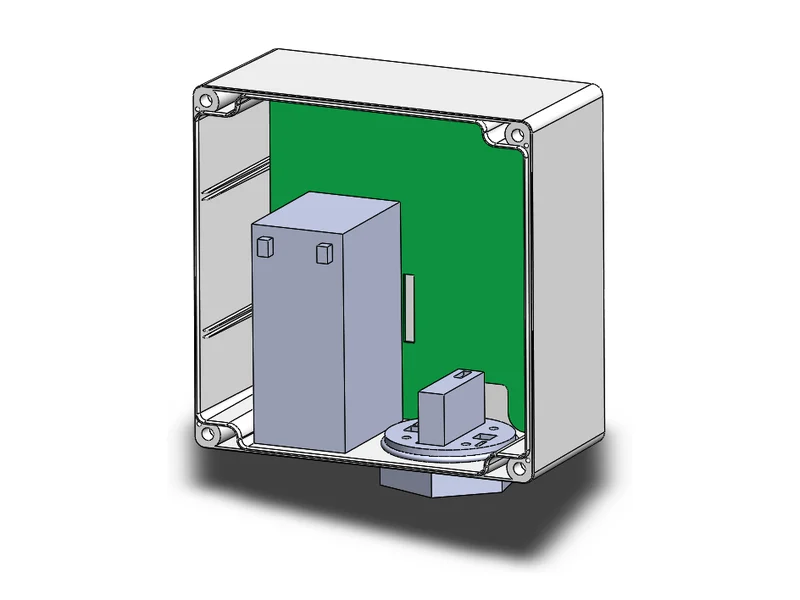
Selected the gas and particle sensors, designed the electronics around Axino and the internal layout of the sealed enclosure in CAD.
Build and test
Built the prototype monitor in 2020 and tested its sensing, power and data reporting.
Gallery
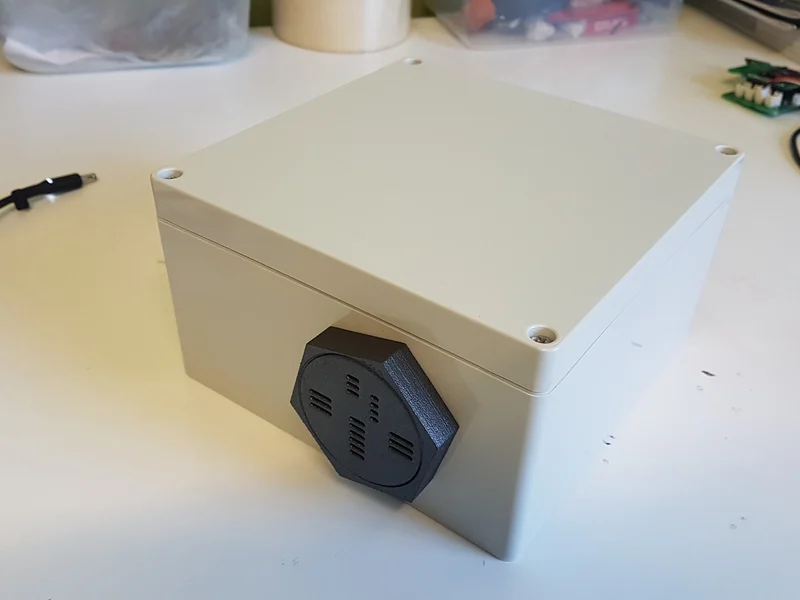
Ready for Field Trials
The monitor is ready for field trials with councils, construction and industrial sites, or research partners, including mobile monitoring on vehicles.